Water Damage Mold Cleanup: Essential Steps for Detroit Property Owners
Why Water Damage and Mold Go Hand in Hand
When water gets where it shouldn't, the clock starts ticking. Whether it is a burst pipe in a basement in Hamtramck or a slow roof leak in a Grosse Pointe colonial, moisture left unchecked invites mold. And not just any mold. In Detroit, where older housing stock meets humid summers and freeze-thaw winters, water damage mold cleanup is something every property owner should understand before the problem gets expensive.
Mold spores are everywhere. They float in through open windows, ride in on shoes, and settle on damp surfaces. The difference between a harmless spore and a full-blown infestation is moisture. That is why water damage restoration and mold remediation are two sides of the same coin. You cannot fix one without addressing the other.
The Real Cost of Waiting
Too many people think they can just dry the area with a fan and be done. That approach almost never works. Mold colonizes porous materials within 24 to 48 hours. By the time you see it, it has already anchored itself into drywall, carpet, or wood framing. A proper water damage mold cleanup goes beyond surface cleaning. It requires removing contaminated materials, drying the structure thoroughly, and applying antimicrobial treatments to prevent regrowth.
Remediation cost varies depending on how far the mold has spread. A small patch of black mold on a bathroom ceiling might cost a few hundred dollars to treat. But if that same mold has traveled into the wall cavity or HVAC system, you could be looking at thousands. That is why early detection through a professional mold inspection is money well spent.
Health Risks Are Not Overstated
Stachybotrys chartarum is the scientific name for what most people call toxic black mold. It produces compounds called mycotoxins that can trigger serious reactions. For someone with a mold allergy, exposure can mean constant sneezing, itchy eyes, and sinus infections. For people with asthma or weakened immune systems, the effects can be far worse. The Michigan Department of Health and Human Services warns that prolonged exposure to indoor mold can lead to respiratory problems and other health issues.
That is why indoor air quality matters so much after any water event. Mold spores become airborne easily. Even after the visible mold is gone, the air in your home can still carry irritants. A HEPA vacuum is one of the few tools that can actually trap those microscopic particles, and it should be part of any serious cleanup effort. Relying on bleach alone is a common mistake. Bleach may kill surface mold on non-porous surfaces, but it does not penetrate porous materials and can actually feed the mold deeper inside.
What a Professional Cleanup Looks Like
A thorough water damage mold cleanup involves several stages. First comes containment. Professionals set up plastic sheeting and negative air pressure to stop spores from drifting into clean areas of the building. Then they remove and bag any water-damaged materials like drywall, insulation, and carpet. After that, they clean all salvageable surfaces with antimicrobial spray and scrub until no visible mold remains.
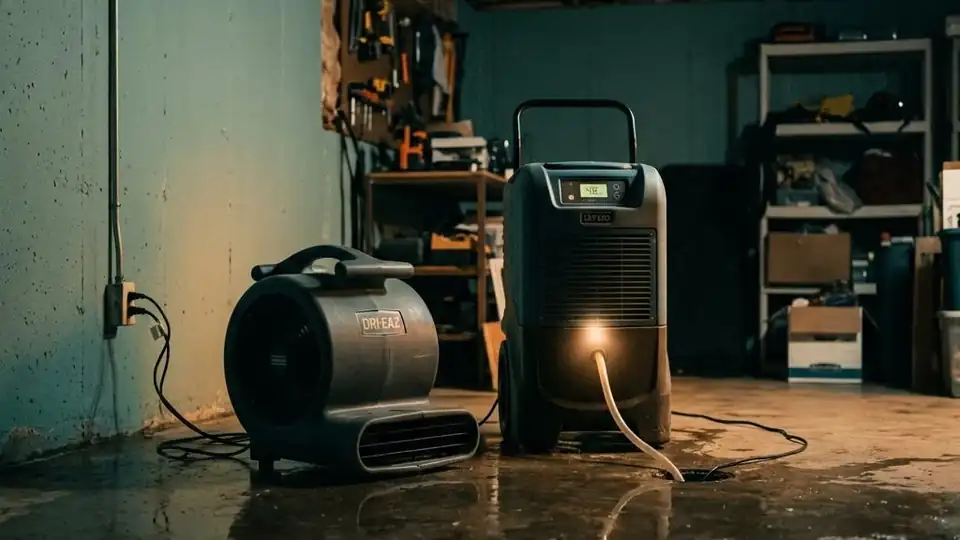
Next comes drying. Dehumidifiers and air movers run for days to pull every bit of moisture out of the framing and subfloor. A humidity meter helps track progress. The goal is to get the relative humidity below 50 percent, which is the threshold where mold cannot grow. Only after the structure is bone dry do crews apply final treatments and begin rebuilding.
Moisture Control Is the Real Solution
If you stop at cleanup without fixing the moisture source, you are just buying time. Mold will come back. That is why moisture control is the backbone of any lasting fix. Fix the leak, improve drainage around the foundation, and ventilate crawl spaces and attics. In Detroit, many homes have basements that flood seasonally. A sump pump and a good dehumidifier can make the difference between a dry basement and a mold factory.
Some property owners try boric acid as a mold inhibitor. It works in certain situations, especially on wood surfaces, but it is not a cure-all. The EPA recommends addressing moisture problems first and using chemical treatments only as a supplement. No product can replace a dry building.

When to Call a Pro
There are situations where DIY water damage mold cleanup is acceptable. A small patch of mold on a shower tile or a windowsill can often be handled with proper PPE and a commercial cleaner. But once the affected area exceeds about ten square feet, or if the mold is inside walls or ductwork, it is time to call in a certified mold remediation company. They have the training, equipment, and experience to handle the job safely.
PPE matters more than most people realize. Without an N95 respirator or better, you are breathing in mold spores and mycotoxins the whole time you are scrubbing. Gloves and goggles are non-negotiable. Even with gear, amateurs can make mistakes that spread the contamination further. A professional knows how to contain the work area, test the air quality before and after, and dispose of hazardous waste according to local regulations.
What about Insurance
Many homeowners policies cover water damage from sudden events like pipe bursts but exclude damage from long-term leaks or neglect. That distinction matters. If you catch a leak early and file a claim, the insurance company may pay for water damage restoration and mold remediation. But if the mold has been growing for months because you did not fix a slow drip, the claim could be denied. Document everything. Photographs, receipts, and professional mold inspection reports all strengthen your case.
Prevention Pays for Itself
Once the cleanup is done, the real work begins. Keeping mold out of your home is a long-term project. Monitor humidity levels with a simple humidity meter. Run exhaust fans in bathrooms and kitchens. Fix plumbing drips the same day you notice them. If you have a crawl space or basement, consider a vapor barrier and a dehumidifier that runs automatically when humidity creeps up. These steps cost far less than another round of water damage mold cleanup.
Detroit winters are hard on buildings. Snowmelt and ice dams can force water into places you would never expect. Spring is a good time to do a walkaround and check for signs of moisture intrusion. Look for peeling paint, soft drywall, or musty smells. Catching a problem early can save thousands of dollars and a lot of hassle.
The Bottom Line
Water damage mold cleanup is not glamorous, but it is essential. Whether you are a homeowner dealing with a flooded basement or a landlord managing a rental property, acting fast is the single most important thing you can do. The longer moisture sits, the deeper the mold grows and the higher the remediation cost climbs.

Mold remediation done right improves indoor air quality, protects the structure of your building, and keeps your family or tenants healthy. It is one of those things you hope you never need but are glad you handled properly when you do. In a city like Detroit, with its mix of historic homes and modern buildings, knowing how to respond to water damage is a skill every property owner should have.
The takeaway is simple. Water and mold are a package deal. Stop the water, and you stop the mold. Clean up what is there, dry everything out, and keep it dry. That is the formula. It has not changed in a hundred years, and it will not change in the next hundred.